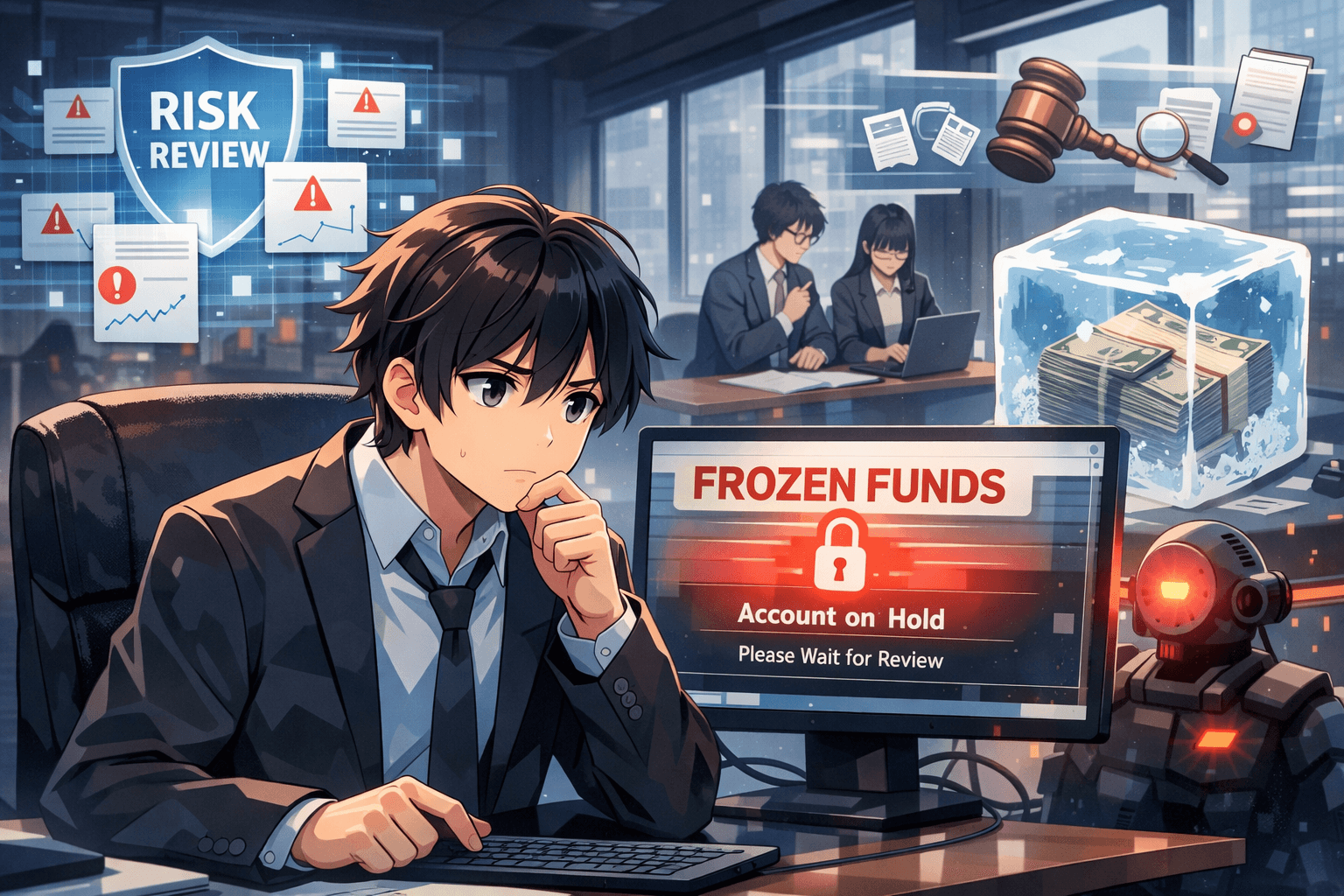
Why Processors Freeze Funds Instead of Closing Accounts
A fund freeze can feel worse than a shutdown. Transactions may still be visible, but access to revenue is restricted, timelines are unclear, and communication is limited. Many merchants assume a freeze means fraud has been detected or that closure is inevitable. In most cases, that assumption is wrong. Fund freezes are typically a containment decision, not a verdict.
This article explains why processors freeze funds instead of closing accounts, and what that choice usually reflects inside payment systems.
A fund freeze is not the same as a shutdown
It’s important to separate these two actions, because they serve different purposes.
A shutdown removes a merchant’s ability to process transactions entirely.
A fund freeze pauses access to funds while keeping the account structure intact.
Processors use freezes when:
- Risk has increased
- Exposure exists
- Uncertainty is unresolved
A freeze allows systems to pause financial movement without immediately ending the relationship. It is a way to slow things down while signals are reviewed.
Why processors choose containment first
Payment systems are designed to minimize downside, not to assign blame.
When uncertainty rises, processors must consider:
- Pending disputes that have not yet surfaced
- Refund windows that are still open
- Chargeback liability that lags transactions by weeks or months
- External complaints that may escalate after the fact
Freezing funds limits additional exposure while these variables remain unresolved. From a system perspective, containment is safer than immediate termination because it preserves optionality.
This distinction becomes clearer when merchants understand how payment gateways evaluate high-risk merchants over time rather than reacting to isolated events.
What typically triggers a fund freeze
Fund freezes are rarely caused by a single event. They usually follow pattern recognition.
Common contributors include:
- Clusters of recent disputes, even if ratios are acceptable
- Refund delays that coincide with complaints
- Sudden changes in volume or velocity
- Customer confusion reflected in dispute language
- External signals such as complaints, reports, or reviews
Individually, these signals may appear manageable. Together, they increase uncertainty, which is what triggers containment.
Why freezes often feel sudden
From a merchant’s point of view, freezes appear abrupt because the monitoring process is invisible.
Risk systems:
- Monitor continuously
- Log signals quietly
- Recalculate tolerance dynamically
Action is taken once uncertainty crosses a threshold, not when the first signal appears. Communication usually follows the action, not the other way around. That sequencing is intentional and designed to limit further exposure. This same accumulation of signals is central to what triggers sudden payment processor shutdowns, even when nothing obvious appears to have changed.
Why explanations are often limited
Merchants frequently receive short or vague messages after a fund freeze. This can feel dismissive, but it is usually structural.
Limitations exist because:
- Risk logic is proprietary
- Multiple entities may be involved in the decision
- Detailed explanations can create liability
- Reviews may still be ongoing
Silence or minimal language usually reflects process constraints, not an accusation.
What a fund freeze does not mean
A fund freeze does not automatically mean:
- Fraud has been confirmed
- The account will be permanently closed
- Funds are forfeited
- The merchant acted in bad faith
In most cases, it means the system needs time to resolve uncertainty before deciding what comes next.
The worst reaction to a fund freeze
The most damaging response to a freeze is panic-driven action.
Common reactions that increase risk include:
- Making sudden changes to websites or messaging
- Opening new accounts without context
- Rapidly restructuring operations
- Flooding support channels with escalation attempts
These actions add noise at the exact moment systems are trying to reduce it. Motion can feel productive, but uncoordinated motion often makes interpretation harder, not easier.
A calmer way to interpret a freeze
Fund freezes are not about punishment. They are about time.
They give payment systems space to:
- Observe outcomes
- Review unresolved signals
- Decide whether risk stabilizes or escalates
Understanding this doesn’t remove the stress, but it helps merchants avoid misreading the situation and making decisions that narrow future options.
Where this fits (quietly)
Some merchants use this perspective to:
- Reframe past freezes
- Avoid reactive decisions
- Better understand system behavior
This article is meant to explain the mechanism, not suggest actions or outcomes.